Kedah
Malaysia, Southeast Asia
旅遊指南
Nestled in the northwest of Peninsular Malaysia, Kedah is a state of profound contrasts where ancient history meets island paradise, and vast emerald paddy fields give way to rugged limestone hills. Revered as the 'Rice Bowl of Malaysia', its fertile plains have shaped its identity. This northern state offers a warm, welcoming, and authentically Malaysian experience, distinct from the frenetic pace of larger cities. Kedah is increasingly becoming a preferred destination for slow tourism, offering travelers a relaxed and peaceful experience in rural and village settings. The state government ambitiously targets over 7 million tourist arrivals for Visit Malaysia 2026, building on its success of attracting 7 million visitors last year. Your journey here is one of nature, food, and deep cultural immersion.
Alor Setar: The Historic Capital
Founded in 1735 by Sultan Muhammad Jiwa Zainal Adilin II, Alor Setar is one of Malaysia's oldest cities and the historic capital of Kedah, located close to the Thai border. The city began as a small administrative and trading center surrounded by the fertile land that cemented the region's identity. Geographically, it sits on a flat coastal plain framed by vast paddy fields, rivers, and limestone formations like Gunung Keriang. Today, it covers an area of around 666 square kilometers with a population of over 400,000 from Malay, Chinese, Indian, and other communities living side by side. The city maintains a calm, traditional pace of life, offering a peaceful experience very different from Malaysia's larger metropolitan centers.
Alor Setar is rich in landmarks and culture. Iconic sites such as the majestic Masjid Zahir, the musical tower of Balai Nobat, the royal palace of Istana Anak Bukit, and the modern Menara Alor Setar reflect its deep royal and Islamic heritage. It is also famously the birthplace of Malaysia's fourth prime minister, Tun Dr. Mahathir Mohamad. The city continues to grow as a modern administrative hub while preserving its traditions, a living story of history, heritage, and simplicity.
Discovering the City's Rhythms & Flavors
As one of Malaysia's least-visited state capitals, Alor Setar offers an unspoiled, authentic experience. Arriving by train from the south is a common approach, with the KTM commuter covering the final 100 kilometers from Bukit Mertajam in about an hour, though services can be packed during peak travel. Stepping out, the immediate sensation is the heat—Alor Setar is known for being hot and dry. Visitors are sometimes welcomed at Sultan Abdul Halim Airport with traditional music performances and the official Visit Malaysia 2026 mascots, Wira and Mana.
For getting around town, the ride-hailing app Grab is essential—it's super cheap, fast, and reliable, often costing between $1-3 for a 15-30 minute ride. It provides clear instructions on where to meet your driver, even in busy places like stations. The city's vibrant food scene invites you to dive in. While Penang is famous for its food, Alor Setar holds its own with authentic local flavors. The people are known to be very kind and helpful. Learning a few Malay phrases like 'Apa khabar?' (How are you?) and 'Terima kasih' (Thank you) will make your interactions even more meaningful and is greatly appreciated.
The Paddy Museum: Heart of the Rice Bowl
To understand the soul of Kedah, a visit to the Paddy Museum is essential. This museum showcases Malaysia's rice farming heritage, from ancient artifacts and traditional conical hats to modern scaling and packing equipment. A souvenir shop on-site offers various rice-based products and cute memorabilia. The museum immerses visitors in the state's agricultural identity, the very foundation of its 'rice bowl' moniker.
Langkawi: Island Bliss and Untamed Nature
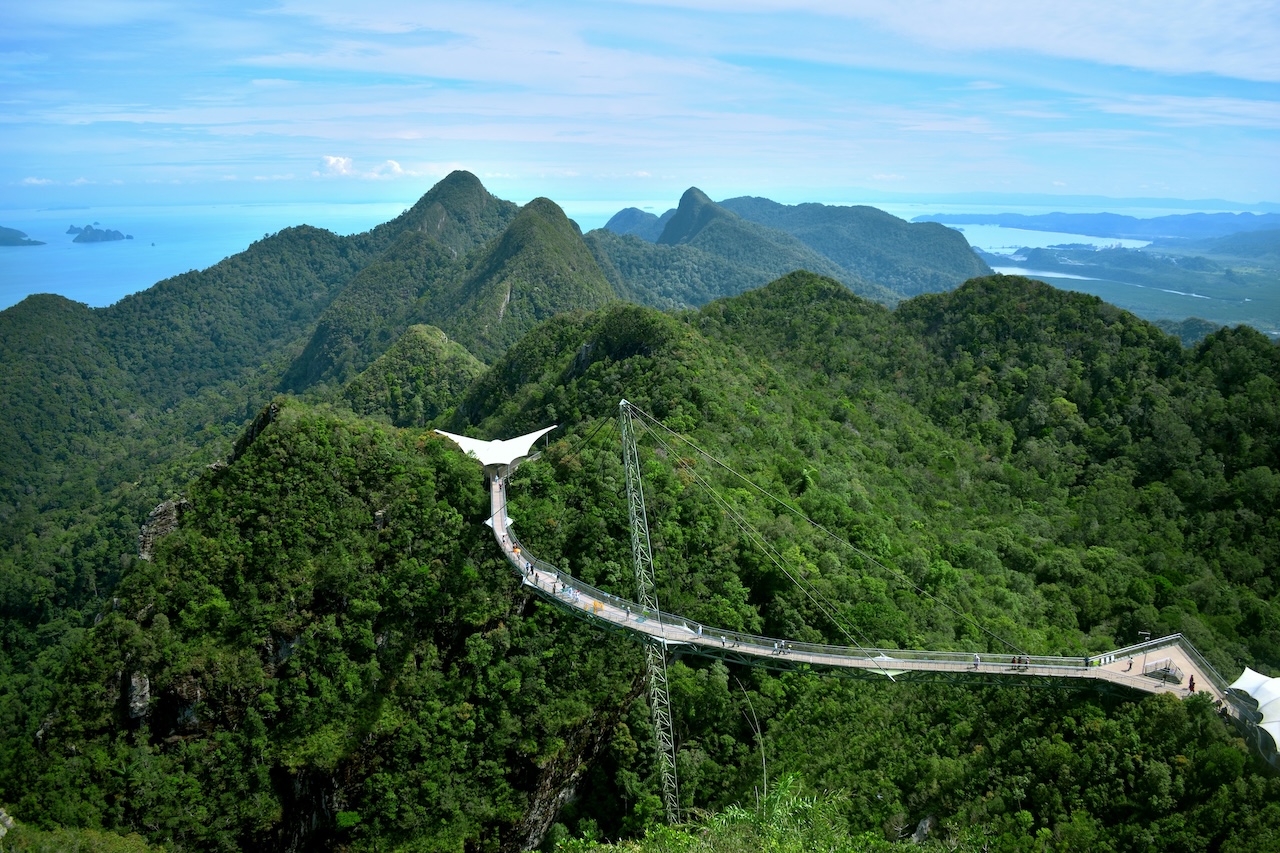
The Langkawi archipelago is a legendary island escape, often a favorite for visitors. It's described as a quieter, calmer version of a Thai island with stunning visuals, a clean atmosphere, and a super laid-back vibe—the perfect place to chill out. It’s one of the most beautiful islands in Malaysia and offers a completely different side of the country: rural, rugged, and full of life.
Adventures in Langkawi
- Island Hopping: A half-day island hopping trip offers excellent value, around £9 or $12 USD per person, showing how affordable excursions can be here.
- Mangrove Tours: A top activity is a full-day mangrove cruise—a packed five-hour experience with over 10 activities like cruising through mangrove forests, visiting geo-parks, and eagle watching.
- Beach Life: Langkawi has beautiful beaches with warm, lovely water. Pack your swimsuit and swim shoes for exploring coral reefs.
- Wildlife & Untamed Beauty: Langkawi has a secret wild side. From soaring over cloud-covered mountains and sliding down waterfalls to spotting incredible wildlife like Great Hornbills in the wild, it shows a rugged, unforgettable side of Malaysia.
Note: While Langkawi is duty-free (making alcohol a little less expensive), alcohol is generally more expensive in Malaysia overall and not served in many restaurants due to cultural norms. With a significant Islamic population, the drinking and partying element is a lot less compared to other Southeast Asian countries, contributing to a more relaxed atmosphere.
Getting There & Around Kedah
Kedah is accessible via Sultan Abdul Halim Airport in Alor Setar and Langkawi International Airport. Internal flights in Malaysia are very cheap and fast. A famously short 22-minute flight from Penang to Langkawi with Firefly airlines—complete with a snack and drink—is a common and efficient route. For overland travel, Malaysia has a reliable, comfortable, and affordable bus network. Buses are great for traveling with luggage (saving on airline baggage fees) and often have Wi-Fi, allowing you to work on the go; they are bookable via apps like 12Go Asia. For shorter trips, Grab is indispensable. Renting a scooter is also a comfortable and safe option for exploring at your own pace, as Malaysian roads are well-maintained and the traffic feels more organized than in other parts of Southeast Asia.
Entry, Connectivity & Costs
Travelers from many countries, including the UK, receive a 90-day visa on arrival. You must complete the MDAC (Malaysia Digital Arrival Card) online more than three days before your flight to skip queues at immigration. For staying connected, get a tourist SIM card or eSIM at the airport for excellent value (around $10-$15 USD for two weeks of data). Activating an eSIM before you travel is a great hack for instant connectivity.
In terms of costs, Malaysia offers great value. Food is relatively cheap and affordable everywhere. Accommodation can yield good deals, especially for longer-term stays. For money exchange, avoid the airport counters as they are the most expensive; wait until you get to a mall or a trusted local money changer like those in Giant hypermarkets for the best rates. While cashless payments like Touch 'n Go (very useful for tolls if driving) are common, always carry some cash for street food vendors and smaller establishments.
Climate, Culture & Final Tips
Expect a hot and humid climate year-round with sporadic rain. The west coast, including Langkawi, has a drier season from around November to March/April, similar to southern Thailand. Pack light, airy clothes like shorts and t-shirts. Also include modest attire (long sleeves and skirts) for visiting mosques or government buildings. Don't forget sunscreen, mosquito repellent (as studies show some blood types attract them more), an umbrella for sudden rain, and a universal power adapter (Malaysia uses 220V).
The culture is wonderfully diverse and welcoming. People are generally helpful, warm, and passionate about their country, with a high level of English spoken. For many, the top reasons to visit Malaysia are the unreal, diverse food and the warm, welcoming people—and Kedah, from its bustling local markets and serene paddy fields to the wild beauty of Langkawi, embodies both perfectly.